
In my daily work, I increasingly see the consequences of preventive care applied by unqualified providers. The market is full of companies offering services without the proper training or expertise, and the damage to collections often only becomes visible years later. In the worst cases, it is irreversible—or extremely costly to fix, requiring interventive conservation or replacement of entire data logger systems.
True preventive conservation is far more than surface-level care. It’s not just placing a single data logger in a room or setting temperature and humidity levels. It’s a science—and science requires formal education, experience, and careful planning.
At its core, preventive conservation is about understanding how materials age, how environments affect this process, and how to slow down deterioration before it starts. Without formal training in conservation, materials science, and heritage management, “preventive care” can do more harm than good. Unfortunately, experience alone isn’t enough: without the right knowledge, even decades of practice can do more harm than good.
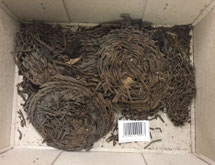
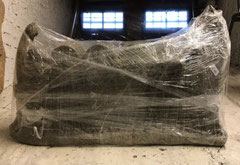
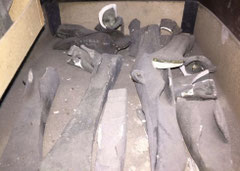
Here are some bad examples I came across over the years. Damage resulted because of poor decision making in collection care.
Here’s what sets trained conservators apart:
- Deep Material Knowledge: We know how paper, textiles, metals, and paints react over time. Every object has unique vulnerabilities.
- Environmental Mastery: We design storage and display conditions that protect objects from humidity, light, pollutants, and pests.
- Risk-Based Planning: We prioritise interventions based on science, not guesswork.
- Ethical Standards: Every action respects the object’s history, value, and integrity.
- Research-Driven Innovation: We stay up to date with the latest methods to ensure long-term preservation.
To find the right company, always check their educational background. Ensure their solutions are evidence-based and tailored to the specific materials and conditions of your collection—never accept a one-size-fits-all approach.
Don’t gamble with your heritage. With trained experts, your collection is safe for generations—not just weeks or months.